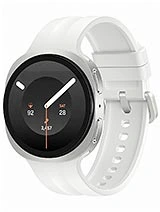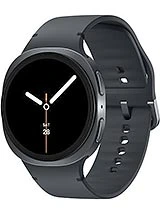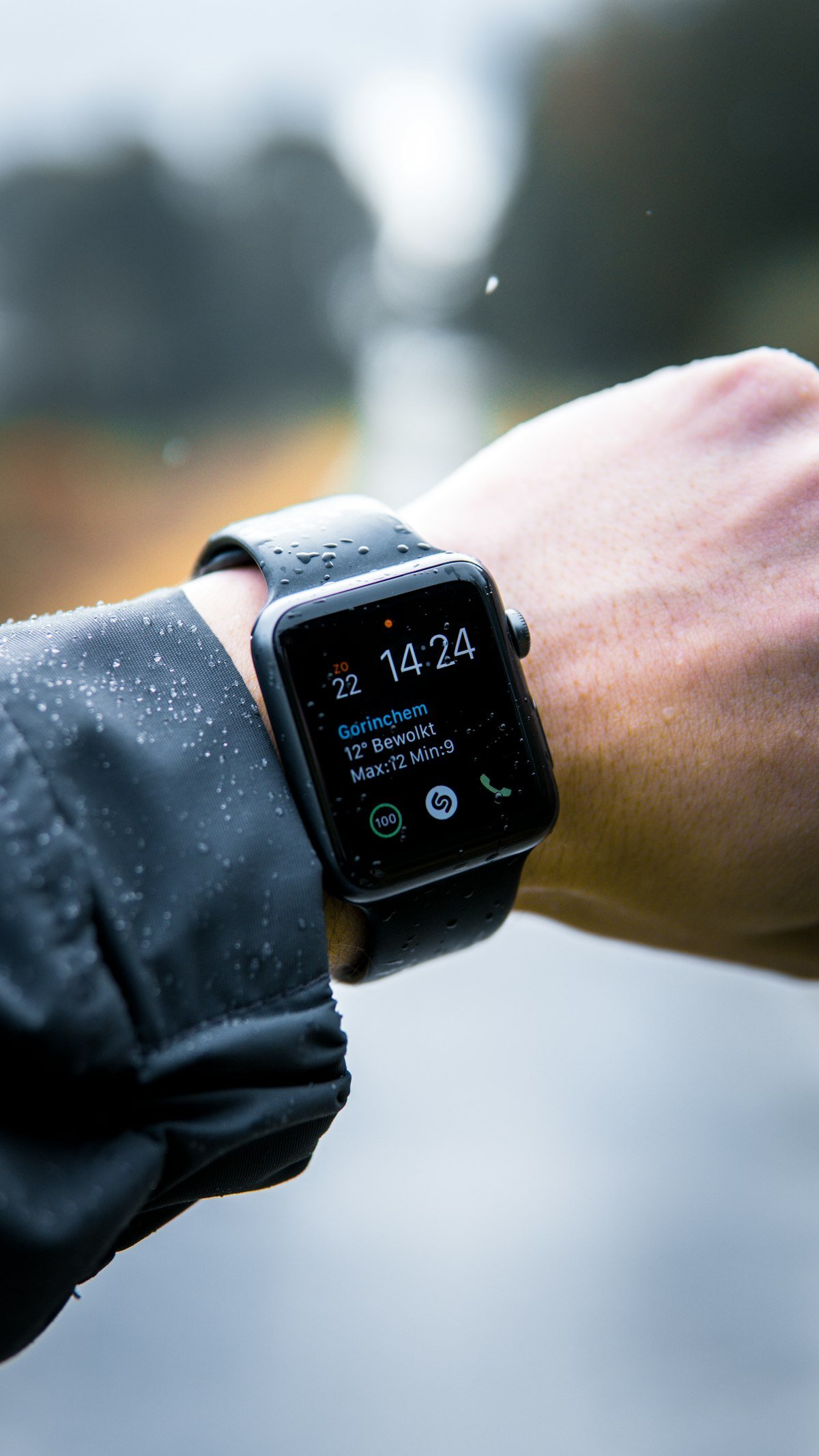
The smartwatch landscape in 2026 has transitioned from simple notification companions into medical-grade diagnostic hubs on your wrist. With Samsung unveiling its redesigned Galaxy Watch8 and previewing next-generation health metrics for the upcoming Watch9, and Apple solidifying its outdoor reign with the Apple Watch Ultra 2 and ultra-slim Series 10, buyers face a richer selection than ever.
Here is our in-depth editorial breakdown of how the premier wearable flagships compare across displays, biometric health tracking, durability, battery endurance, and day-to-day usability.
1. Design & Screen Brightness: 3,000 Nits Is the New Baseline
- Samsung Galaxy Watch8 & Watch Ultra: Samsung’s cushion design merges rounded-square contours with circular bezels. Reaching 3,000 nits peak brightness behind scratch-resistant sapphire crystal glass, the display remains vividly legible even under harsh midday glare.
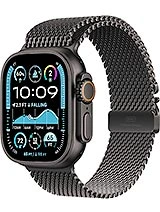
- Apple Watch Ultra 2 & Series 10: Apple's Ultra 2 matches the 3,000-nit threshold with a robust 49mm titanium case, while the Series 10 introduces wide-angle OLED architecture that is up to 40% brighter when viewed off-axis, making quick glances while running or cycling far easier.
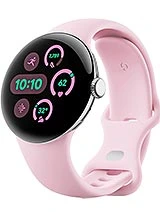
- Google Pixel Watch 3: Google expanded its signature pebble-style curved display to a larger 45mm diameter, reaching 2,000 nits with Actua LTPO display technology.
2. Health & Wellness: From Sleep Apnea to Metabolic Monitoring
- Galaxy Watch8 & Watch7: Samsung leads with FDA-authorized sleep apnea detection, vascular age evaluation, and an advanced AGEs (Advanced Glycation End-products) metabolic index. The BioActive sensor provides instant ECG, blood pressure calibration, and body composition analysis.
- Apple Watch Series 10 & Ultra 2: Apple’s health suite excels in reliability with atrial fibrillation history, background blood oxygen logging (regional availability), wrist temperature sensing for ovulation retrospective estimates, and sleep apnea disturbance tracking.
- Pixel Watch 3: Google leverages Fitbit’s athletic algorithms with Cardio Load, Target Load recommendations, and a pioneering Loss of Pulse Detection protocol that can automatically contact emergency services if cardiac activity stops.
3. Battery Life & Real-World Endurance
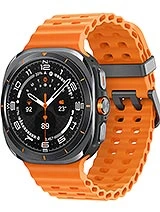
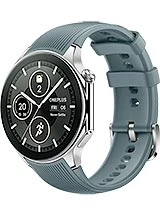
- Longest Lasting: The OnePlus Watch 2 and Galaxy Watch Ultra dominate battery benchmarks. The OnePlus Watch 2’s dual-engine architecture (Snapdragon W5 + low-power RTOS) comfortably reaches 100 hours of regular use, while the Galaxy Watch Ultra powers through 60 to 100 hours in power saving mode.
- Everyday Charging: The Apple Watch Series 10 features the fastest charging yet, leaping from 0% to 80% in approximately 30 minutes. This allows users to charge during a morning shower and wear the device continuously through the night for sleep staging.
4. Durability & Outdoor Readiness
- Apple Watch Ultra 2: EN13319 scuba dive computer certified down to 40 meters, 100m water resistance, Grade 5 titanium, dual-frequency L1+L5 GPS, and an integrated 86-decibel emergency siren audible up to 180 meters away.
- Samsung Galaxy Watch Ultra: Grade 4 titanium chassis, 100m water resistance (10 ATM), MIL-STD-810H shock certification, and dual-band positioning engineered for dense urban high-rises and deep wilderness canyons alike.
Verdict: Which Watch Should You Buy?
- For Android & Samsung Users: The Galaxy Watch8 offers the most balanced package of cutting-edge health analytics and modern design. Adventurers and endurance athletes should step up to the Galaxy Watch Ultra.
- For iPhone Users: The Apple Watch Series 10 is the thinnest, most comfortable everyday smartwatch Apple has ever engineered, while the Apple Watch Ultra 2 remains the gold standard for battery life and rugged durability.
- For Battery-Focused Value Hunters: The OnePlus Watch 2 is unmatched in longevity at its sub-$300 price bracket.
- GSMArena Device Database & Specifications (https://www.gsmarena.com)
- Manufacturer Launch Data (Samsung Newsroom, Apple Newsroom, Google Store)
FEATURED IN THIS ARTICLE
Products Mentioned & Reviewed